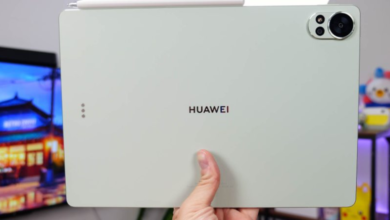
Navigating digital classrooms can be challenging, especially when using Huawei devices that come with limitations regarding Google services. Despite these obstacles, teachers and students can access Google Classroom with some smart strategies. This guide is crafted to assist both teachers and students in seamlessly setting up Google Classroom on Huawei devices, ensuring smooth online learning experiences. We’ll explore the current app environment Huawei devices operate in and provide step-by-step instructions to successfully install Google Classroom. Additionally, tips on optimizing the app’s performance will be shared, even if official Google Play services aren’t directly supported. Let’s dive into this comprehensive setup process, making digital education easily manageable on your Huawei device.
How Google Support Works on Huawei Devices
Huawei’s Current App Environment
Huawei devices operate under a unique ecosystem known as Huawei Mobile Services (HMS) due to restrictions in accessing Google Mobile Services (GMS). This transition means apps that depend on GMS, like Google Classroom, are not natively supported. Instead, HMS uses its app store, AppGallery, for downloadable applications. Users might find alternatives that mimic Google functionality, but often, third-party solutions fill the gap left by the absence of GMS. As a result, compatibility varies by app version, region, and device model, so checking requirements before installing is always recommended.
Workarounds for Google Services Access
While Huawei’s devices don’t support GMS directly, users have devised workarounds. Third-party apps and services can be used to simulate Google environments. Methods such as downloading APK files or using browser-based services often circumvent these limitations. Another popular choice is GBox, which installs a Google-like framework that supports apps needing GMS, including Google Classroom. This section will explore these solutions to help ensure that teachers and students can fully access Google Classroom functionalities. For safety, stick to reputable sources, keep software updated, and avoid unknown links that may compromise accounts or device security.
Step-by-Step: Installing Google Classroom on Huawei Devices
Using GBox App Method
1. Download GBox from Huawei AppGallery: Search for GBox on AppGallery and install it on your device. This app acts as a Google service emulator. 2. Grant Necessary Permissions: Open the GBox app and grant permissions as prompted, ensuring it can operate effectively on your device. 3. Install Google Classroom via GBox: Inside the GBox interface, search for Google Classroom and install the app. 4. Configure Google Classroom: Follow the setup prompts within GBox to integrate your Google account, enabling full functionality of Google Classroom. 5. Optimize Settings: Ensure app permissions are correctly set in the GBox environment to facilitate notifications and updates for assignments and discussions.
See also: The Future of Casino Technology: Innovations Shaping Modern Gaming
Browser & APK Options
1. Access Google Classroom via Browser: Open the default browser on your Huawei device. Navigate to classroom.google.com and sign in using your Google credentials. 2. Install Google Classroom APK: Search for a reliable APK provider online and download the Google Classroom APK. 3. Enable ‘Install from Unknown Sources’: Navigate to Settings > Security and enable the ‘Install from Unknown Sources’ option. 4. Install Google Classroom: Locate the APK file in your downloads folder and complete the installation process. 5. Sync and Login: Once installed, log in using your Google account. Regularly check for updates to keep the app functioning optimally and securely.
Tips for Smooth Google Classroom Experience on Huawei
Performance and Permissions
To ensure Google Classroom runs without hitches, check app permissions regularly. Navigate to Settings and select Applications, finding Google Classroom. Grant all necessary permissions related to storage, notifications, and the internet. This guarantees the app accesses resources crucial for its operation, improving stability and performance in online lessons and assignments.
Login & Sync Stability
Maintain consistent login experience by frequently updating your device OS and any associated apps. The nurturing of a stable device environment allows smoother syncing of data and notifications vital for keeping up with classroom activities. If there are syncing issues, clear the app cache or perform a re-login to refresh session data and resolve any connectivity problems.
Conclusion
Huawei devices can effectively support Google Classroom with a bit of ingenuity and confidence, especially for users exploring a huawei Google Classroom alternative when direct access is limited. While the lack of direct GMS access presents challenges, the outlined methods offer viable paths to incorporate Google Classroom into daily education. By leveraging solutions like GBox and browser interactions, Huawei device users gain valuable tools for the virtual classroom environment. With proper setups and permissions, both students and teachers can engage effectively in online education, bridging the gap of technology restrictions with innovative approaches. Continue to follow best practices in managing permissions and updates, ensuring the digital education transition is as seamless and effective as possible.