Office Reconfiguration in Indianapolis: When to Reuse, Rebuild, or Replace Existing Furniture Systems


As businesses enter a new year, many organizations in Indianapolis are reassessing how their workspaces function. Changes in staffing, hybrid work models, and departmental growth often require adjustments to existing layouts rather than full replacements. Office reconfiguration has emerged as a practical and cost-effective solution for companies seeking to adapt without beginning anew.
Understanding when to reuse, rebuild, or replace existing furniture systems helps businesses make informed decisions that support productivity, budget goals, and long-term flexibility.
Why Office Reconfiguration Is Gaining Momentum
Office reconfiguration allows businesses to update their workspace without the expense and lead times associated with purchasing entirely new furniture. In Indianapolis, where many companies operate in established buildings, reconfiguring existing systems can be more practical than undertaking major renovations.
Modern systems furniture is designed to be modular, which makes it easier to adjust workstation sizes, traffic flow, and collaboration areas. Reconfiguration also supports evolving work styles, including shared spaces, hoteling stations, and team-based layouts.
When Reusing Existing Furniture Makes Sense
Reusing existing furniture is often the most economical option, provided the furniture is in excellent condition and compatible with new layouts. Many panels, work surfaces, and storage components can be cleaned, relocated, and reassembled to create a refreshed look.
Reusing furniture works best when the office’s core footprint remains similar. Accurate measurements and updated floor plans are essential to ensure reused components fit correctly and function as intended. This approach reduces waste while extending the lifespan of existing assets.
Rebuilding Systems for Better Performance
Rebuilding involves modifying existing furniture systems to meet current needs. This may include resizing workstations, adding privacy elements, or integrating new accessories such as power solutions and ergonomic components.
Rebuilding is ideal when businesses want meaningful improvements without replacing their furniture entirely. Professional installers can determine which components are suitable for retention and which require updating. This balanced approach improves functionality while maintaining cost control.
See also: business support phone number
Knowing When Replacement Is the Better Option
In some cases, replacement is the most practical solution. Damaged, outdated, or incompatible furniture with modern technology can impede productivity and employee comfort. Replacement may also be necessary when expanding into new areas or adopting entirely different workspace strategies.
A thorough evaluation helps determine whether improved performance, aesthetics, and long-term value justify replacement costs. Combining new furniture with reconfigured existing systems is a common strategy that balances investment with results.
Preparing for a Successful Reconfiguration Project
Successful office reconfiguration begins with detailed planning. Clear goals, accurate drawings, and realistic timelines help prevent delays and confusion. Building access, staging areas, and installation sequencing should be confirmed early, especially in occupied offices.
Coordination with employees is equally important. Clear communication about timelines and expectations reduces disruption and helps maintain productivity during the transition.
The Role of Professional Installation Teams
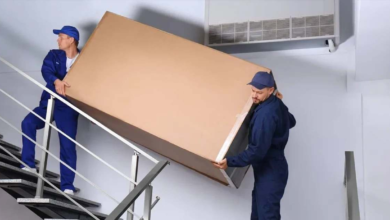
Office reconfiguration is complex and requires specialized expertise. Professional installation teams understand manufacturer guidelines, safety standards, and best practices for dismantling and rebuilding system furniture.
Experienced installers can also identify potential issues before they become problems, such as incompatible components or layout conflicts. Their expertise ensures the reconfigured workspace is stable, functional, and compliant with specifications.
Frequently Asked Questions
What is office reconfiguration?
Office reconfiguration involves rearranging, modifying, or updating existing furniture systems to support the current workspace’s needs without a full replacement.
Is office reconfiguration more cost-effective than buying new furniture?
Often, yes. Reusing or rebuilding existing systems can significantly reduce costs while still achieving functional and visual improvements.
How long does an office reconfiguration project take?
Project timelines vary based on size and complexity. Smaller reconfigurations may take a day or two, while larger projects can be completed in phases over several days.
Can reconfiguration be done while employees are working?
Yes. Professional teams often phase work or schedule after-hours installations to minimize disruption in active offices.
Do we need new floor plans before starting?
Yes. Updated and accurate floor plans are essential to ensure components fit correctly and the final layout functions as intended.
Who should manage an office reconfiguration project?
Working with an experienced installation partner helps coordinate logistics, labor, and timelines, reducing risk and ensuring a smooth outcome.
Final Thoughts
Office reconfiguration offers Indianapolis businesses a flexible and efficient way to adapt their workspaces for the year ahead. Whether reusing, rebuilding, or selectively replacing furniture systems, thoughtful planning and professional installation make all the difference.
For organizations seeking reliable office reconfiguration and furniture installation services nationwide , Quality Installers provides experienced teams and coordinated solutions designed to support evolving workplace needs and long-term success.