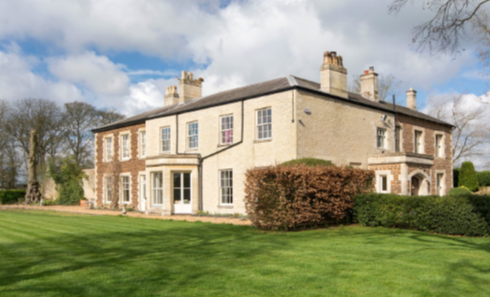
You own a Grade II listed building. You want to renovate. But the rules around listed buildings are strict. You can’t just do what you’d do on a regular property. Understanding what Grade II listing actually means for your property, or learning which changes require consent and which don’t, helps you navigate the system without breaking rules.
If you want to know more about how Extension Architecture works with listed building regulations, or understand the consent process and timeline, you’ll see why professional guidance matters on these properties. Listed building status protects historical and architectural significance. That protection comes with real restrictions. Knowing what they are helps you plan realistic renovations.
What Grade II Listing Means for Your Property
Grade II listing is the most common listing status in England. It means your building is recognized as a building of special architectural or historical interest.
This recognition is an honor. Your building matters historically or architecturally. But it also comes with legal restrictions.
Grade II listing means you can’t make significant changes without Listed Building Consent. This consent is separate from Planning Permission. You might need both approvals.
Listed Building Consent exists to protect the special character of your building. The idea is preventing damage to historically important structures.
For a Grade II listed building, virtually all external changes require consent. Most internal changes require consent too. Some things are exempt but they’re the exception, not the rule.
This doesn’t mean you can’t renovate. It means renovations need to be done carefully and with proper approval.
Councils appoint Conservation Officers to advise on listed building matters. These officers review applications. They recommend approval or rejection based on whether proposed work protects the building’s character.
Common Restrictions on Alterations, Extensions & Internal Changes
Extensions to Grade 2 listed buildings are subject to strict scrutiny. Adding a new structure to a listed building changes its appearance. That triggers concern about protecting architectural character.
Some extensions get approved. But they need to be designed carefully. They need to respect the original building’s character. They can’t dominate the original structure. They need to use sympathetic materials and proportions.
Double storey extensions are particularly difficult on listed buildings. Adding two floors changes the property’s appearance dramatically. Approval is unlikely unless the design is exceptional.
Alterations to existing structures face restrictions too. You can’t just remove walls. Can’t change window styles arbitrarily. Can’t alter rooflines. These external features are protected.
Internal changes are less restricted than external. You can usually reconfigure interior spaces. You can update kitchens and bathrooms. But original features – fireplaces, plasterwork, timber – should be retained if possible.
Structural work gets close scrutiny. Removing load bearing walls needs Engineering assessment and Listed Building Consent. Sometimes it’s impossible. Sometimes it requires creative solutions.
Windows and doors are particularly protected. Original timber windows have special significance even if they’re drafty and inefficient. Replacing them with modern windows usually requires strong justification. Repairs and refurbishment are preferred.
| Type of Work | Requires Consent | Usually Approved | Often Refused | Typical Timeline |
| External Painting | No | N/A | N/A | Immediate |
| Window Replacement | Yes | Repairs only | New frames | 8-12 weeks |
| Single Storey Extension | Yes | Small, sympathetic designs | Large, dominant | 12-16 weeks |
| Double Storey Extension | Yes | Exceptional designs only | Most proposals | 12-16 weeks |
| Roof Changes | Yes | Like-for-like repairs | Major alterations | 8-12 weeks |
| Interior Reconfiguration | Usually no | Most layouts | Removing features | 4-8 weeks if needed |
| Kitchen/Bathroom Updates | Usually no | Modern updates | Modern updates | Immediate |
| Original Feature Removal | Yes | Never | Always | N/A |
| Structural Work | Yes | Essential repairs | Non-essential removal | 12-16 weeks |
Grade II Listed Building Consent: When It’s Required
Listed Building Consent is required for most external changes. Also for most internal changes that affect the building’s character.
Specifically, you need consent for:
External changes – Extensions, alterations to walls, changes to windows or doors, roof changes, adding structures like sheds or porches.
Internal changes affecting character – Removing original plasterwork, removing fireplaces, removing period features, structural alterations, major internal walls changes.
Material changes – Changing external materials, replacing original materials with different materials, adding external features like antennas or pipes.
Demolition – Even partial demolition requires consent. You can’t just knock down internal walls.
The consent process involves submitting detailed plans to the local council. A Conservation Officer reviews them. They consider whether the proposed work preserves or harms the building’s character.
The council has 8 weeks to decide. They can approve, approve with conditions, or refuse.
If refused, you can appeal. Appeals take longer but they exist.
What You Can Usually Do Without Consent
Some work doesn’t require Listed Building Consent. These exceptions exist for practical reasons but they’re narrow.
Like-for-like repairs – You can repair existing features using original materials and methods. This is maintenance, not alteration.
Interior decoration – Painting interiors, wallpapering, floor coverings usually don’t require consent if they don’t affect character.
Minor interior work – Adding power outlets, plumbing for modern bathrooms, updating utilities usually doesn’t require consent if original features are preserved.
Temporary structures – Scaffolding for repairs, temporary supports during work don’t require consent.
Essential repairs – If your roof leaks and needs emergency repair, you can usually repair it without waiting for consent. But you notify the council afterward.
The key word is “usually.” These are generalizations. Your specific situation might need consent. Always check with your local council before assuming work is exempt.
Extension Architecture recommends asking before proceeding. It’s better to get clarification upfront than discover mid-project that you needed consent.
How to Plan Renovations on a Grade II Listed House Legally
Planning renovations on a listed building requires professional involvement. You can’t just hire a contractor and hope for the best.
Step one: Understand what needs consent. Contact your local council Conservation Officer. Describe your plans. Ask which elements need Listed Building Consent.
Step two: Get professional design. Work with an architect experienced in listed buildings. They know what designs get approved. They understand Conservation Officer expectations.
Step three: Prepare detailed applications. Listed Building Consent applications need detailed drawings and specifications. Showing materials. Showing proportions. Showing how the work fits with the building’s character.
Step four: Submit applications early. Don’t rush this. The process takes 8 weeks minimum. Plan accordingly.
Step five: Communicate with Conservation Officers. They often have suggestions. Working collaboratively gets better outcomes than adversarial approaches.
Step six: Be prepared for conditions. Approvals often come with conditions. Specific materials required. Specific methods mandated. Specific oversights required.
Step seven: Get Building Regulations approval separately. Listed Building Consent and Building Regulations are separate. You need both.
Extension Architecture specializes in listed building work. They know Conservation Officer expectations across different councils. They design solutions that get approved. They navigate the process efficiently.
Why Professional Guidance Matters
Listed building regulations are complex. Rules vary slightly by council. Conservation Officers have different interpretations.
Mistakes are expensive. Work that should have had consent but didn’t. Work designed wrong and refused. These mistakes cost time and money.
Professional architects in london familiar with listed buildings prevent these mistakes. They design with regulations in mind. They get approvals efficiently.
The Timeline Reality
Listed building work takes longer than regular work. Consent applications take 8 weeks. Sometimes longer if conditions need negotiation.
Then construction happens. Might be straightforward. Might involve complications because you’re working on a historic structure.
Budget time for this. Don’t assume you can renovate quickly. Listed buildings move slowly by nature.
Why It’s Worth It
Listed building status protects your property’s value. Historic properties hold value. Protected status maintains that value.
Renovations done properly preserve character while providing modern functionality. That’s the goal. Honoring history while living comfortably today.
Extension Architecture achieves this balance regularly. They renovate listed buildings successfully. They respect historical character while delivering functional modern spaces.
If you own a Grade II listed building and want to renovate, get professional guidance early. Understanding the rules helps you plan realistic projects that actually get approved.