Winter is generally the best window for a budget-minded sauna purchase because demand drops after the holidays, retailers often discount remaining inventory before spring, and installers have more open scheduling than during the busy warm-weather months. The one exception is electrical trenching in a hard-freeze climate, which can be worth ordering now and scheduling for a spring thaw rather than forcing during the coldest weeks.
Do Retailers Actually Discount Saunas in Winter?
Yes, in a lot of cases. Demand for outdoor saunas typically climbs starting in late spring as people plan backyard projects for warmer weather, which means January through early March is often the slower stretch of the sales year. Retailers carrying leftover inventory from the previous season commonly discount it during this window rather than pay to store it through another quarter, and buyers willing to order in winter can end up paying less for the same model that costs more once spring demand picks up.
Is a Backyard Sauna More Enjoyable in Cold Weather?
Most regular users say the experience itself is better in winter, not worse. The contrast between stepping out into cold air and into a 170°F to 180°F cabin, then back out into the cold for a cooldown, is a large part of what makes sauna use satisfying, and it is exactly why sauna culture is strongest in cold-climate countries rather than warm ones. A sauna used only in summer misses this contrast almost entirely, which is worth factoring in for anyone deciding when to actually start using a new unit rather than letting it sit unused until spring.
Does Winter Slow Down Delivery and Installation?
Delivery timelines are often shorter in winter simply because freight and installer schedules are less backed up than during the spring rush. A barrel or small cabin ordered in January frequently ships and arrives faster than the same order placed in April, when manufacturers are working through a much larger queue. This alone can make winter the more practical time to order even before factoring in any price difference.
Can You Still Dig a Trench for Electrical in Winter?
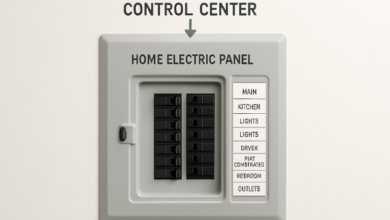
This is the honest exception to the winter-is-better rule. In regions that see hard ground freezes, trenching for a dedicated 240V circuit can be slow, difficult, or simply not possible until the ground thaws, and forcing the work in frozen soil often costs more in labor than waiting a few weeks. The practical move in a cold climate is ordering the cabin in winter to lock in pricing and a shorter lead time, then scheduling the actual electrical trench for early spring once the ground softens. Buyers in milder climates without a hard freeze do not face this tradeoff at all.
Does Cold Weather Increase Running Costs?
Somewhat, yes. A cabin exposed to cold, windy conditions works harder to reach and hold temperature than the same unit in a sheltered spot or a milder month, which can add roughly 15 to 25 percent to a session’s electric cost during the coldest stretch of winter. That is a real number, but it is a modest one on top of an already low monthly running cost for most budget setups, generally still landing in the $15 to $35 range for two to three sessions a week even in a cold month.
Is Wood More Available or Cheaper to Buy in Winter?
For a wood-fired setup, winter is when local firewood sellers are most active and, in many regions, most competitively priced, since it is peak demand for home heating generally and suppliers keep more stock moving. Buying and storing a season’s worth of seasoned wood in winter, rather than scrambling for it later, is a straightforward way for a wood-fired sauna owner to control fuel cost through the rest of the year.
What Is the Smartest Order of Operations for a Winter Purchase?
Order the cabin first to take advantage of winter pricing and shorter lead times, confirm the foundation and electrical plan while the unit is in transit, and schedule any ground-disturbing electrical work for a thaw window if the climate requires it. Buyers comparing barrel, cabin, and infrared options before placing a winter order can look through https://sweatdecks.com to see current sizing and pricing across styles, since locking in a model while inventory and pricing are favorable is most of the winter advantage in the first place.
What Does the Evidence Say About Sauna Use in Colder Months?
Some of the strongest sauna research comes out of Finland, a country with long, cold winters and one of the highest rates of regular sauna use in the world. A review in the American Journal of Physiology examined the physiological effects of heat and cold exposure tied to Finnish sauna bathing, and a Mayo Clinic Proceedings review reported associations between regular sauna use and a range of cardiovascular and general health benefits. A follow-up 2023 review in the same journal found similar associations when sauna habits were combined with other everyday lifestyle factors. These remain association findings from observational cohorts, not proof that sauna use alone causes the outcomes measured, but the research base itself comes largely from cold-climate, winter-heavy populations, which lines up with treating winter as a legitimate season to start rather than a reason to wait.
Frequently Asked Questions
Do sauna retailers actually offer better prices in winter?
Often yes, especially January through early March, since demand typically peaks in spring and early summer. Off-season pricing and lighter installer schedules are the main reasons winter is worth watching for budget buyers.
Is it harder to install electrical wiring for a sauna in winter?
In regions with frozen ground, yes, trenching can be slower or impossible until a thaw. Ordering in winter to lock in pricing, then scheduling the trench work for early spring, sidesteps that problem in colder climates.
Does cold weather raise the monthly cost of running a sauna?
Somewhat. A cabin in cold, exposed weather works harder to reach and hold temperature, adding roughly 15 to 25 percent to the electric cost of a session compared to a mild-weather month.
Is a hot sauna actually more enjoyable when it’s cold outside?
Most regular users say yes. The contrast between cold outdoor air and a hot cabin, plus the cooldown step in cold air afterward, is a big part of why sauna culture is strongest in cold-climate countries.
Should a budget buyer wait for spring instead of buying in winter?
Not necessarily. Ordering in winter often means better pricing and a shorter wait for delivery, even if final installation, particularly electrical trenching, gets scheduled for a thaw a few weeks later.
References
- Effects of heat and cold on health, with special reference to Finnish sauna bathing, American Journal of Physiology, 2018
- Cardiovascular and Other Health Benefits of Sauna Bathing: A Review of the Evidence, Mayo Clinic Proceedings, 2018
- Does the Combination of Finnish Sauna Bathing and Other Lifestyle Factors Confer Additional Health Benefits? A Review of the Evidence, Mayo Clinic Proceedings, 2023
- Saunas and your health, Harvard Health Publishing